

How Summer Humidity Can Impact Your Home’s Exterior
Some late summer afternoons end with a quick storm, thick humidity, and a wall that never fully dries before the next downpour rolls in. That damp cycle can repeat for days without anyone noticing so much as a drip inside the home. Worldgate Plaster & Stucco Company traces stucco moisture damage back to the small gaps and failed seams that let water settle behind the finish coat. A shaded wall, warm air, and repeated rain can quietly turn a pinhole opening into a costly repair.
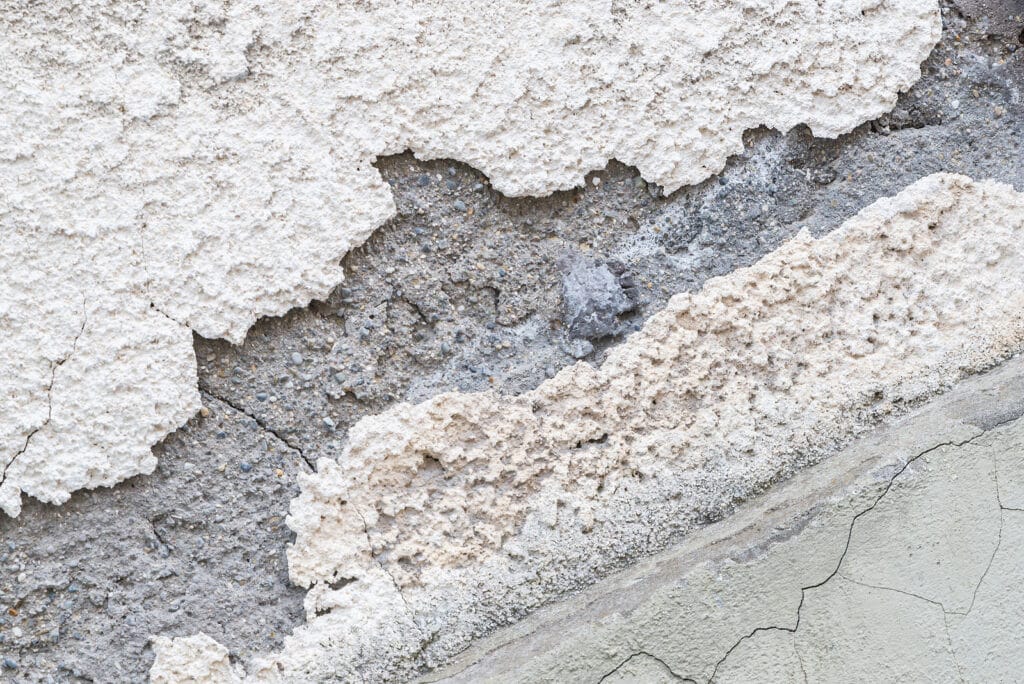
Why Summer Humidity Puts Extra Strain on Stucco
Warm, saturated air holds moisture against exterior walls far longer than a quick spring shower does. When overnight temperatures stay high, stucco and EIFS surfaces get little chance to dry fully between rain events. Repeated wetting without enough drying time is often what turns a minor gap into a lasting problem. Homes with EIFS cladding tend to be more sensitive here, since trapped moisture can take much longer to escape than it does in traditional stucco.
Where Humidity Loads Exterior Details
Second-floor windows and deck connections are often where moisture collects first. Warm, heavy air can leave exterior surfaces damp for hours, and that dampness lingers. Our crews check the transitions that shed water away from the wall, including windows, roof lines, deck connections, and exterior penetrations. Even a hairline gap may take in moisture again and again during a muggy week, while the stucco still looks fine from the street.
- Sealant edges: We look for gaps or pulling where two exterior materials meet.
- Drainage paths: Runoff should move away from the wall, not pool along a trim edge or connection.
- Finish changes: Stains, cracks, soft areas, and uneven surfaces can point to trouble underneath.
Spotting Hidden Exterior Moisture
Moisture meter readings near a window corner can reveal a problem that bare stucco hides from view. We pair a close exterior review with electronic readings at selected locations, then compare what we find with nearby joints, terminations, and penetrations. During a typical stucco inspection, our team checks the cladding, flashing, sealants, doors, windows, gutters, and roof-to-wall transitions in a careful sequence. Written findings lay out the moisture risks we see and give everyone a practical place to start the conversation.
Restoring the Areas Humidity Exposes
A brown mark on an indoor plaster wall may start with a failed sealant joint outside. After a wet stretch, our crew repairs damaged sealants, worn finish sections, and water-entry details through targeted stucco repairs. If moisture has reached interior plaster, we also handle plaster repairs to restore the affected area. We trace where water enters and how far it has traveled, correct the failed details causing the problem, and walk through the finished work with you so you know what to watch for next. Covering a stain alone will not stop the next humid stretch from causing more damage.
Early attention can keep seasonal moisture from spreading farther into the wall in homes across Prince William County, VA. Worldgate Plaster & Stucco Company brings inspection findings and repair work into one straightforward discussion, so you always know what we found and what comes next. Contact us at (703) 283-6886 or request a free estimate to get started.